

TL;DR Telemedicine weight loss blends medical care with the ease of virtual access. For a lot of people, that mix finally makes consistency possible. Licensed providers, individualized plans, and regular check-ins remove many of the friction points that usually knock progress off track. If clinic visits are where things always fall apart, this model is worth a serious look.
What Telemedicine Weight Loss Really Is
There’s still confusion here.
Telemedicine weight loss isn’t a calorie-counting app or a generic PDF meal plan.
It’s medical care, delivered remotely.
Licensed clinicians. Real evaluations. And prescriptions, when they make sense.
That difference matters more than most people realize.
Programs usually start with a thorough intake. Medical history. Current medications.
Lifestyle habits that don’t show up on a scale. Some providers send patients for labs locally. Others rely on validated screenings. From there, the plan gets built around the person, not a template pretending to be “custom.”
What it isn’t is fast. And it isn’t effortless. No responsible provider claims that. Weight didn’t build overnight, and it doesn’t disappear that way either. Programs promising “no work” results usually don’t last long.
Where telemedicine weight loss stands out is in sustainability. The focus isn’t on dramatic drops. It’s creating something people can actually live with.
If you’re curious how this compares with traditional clinics, this breakdown helps:
How virtual care compares to in-person weight loss clinics

How Virtual Medical Support Changes the Weight Loss Game
Most people don’t struggle because they don’t know what to eat. They struggle because no one notices when things stall. Or when side effects creep in. Or when motivation fades quietly.
That’s where virtual medical support earns its place.
Regular check-ins mean plateaus don’t drag on for months. Adjustments happen sooner. Patterns get noticed. When something stops working, it gets addressed instead of ignored. That alone prevents a lot of silent quitting.
Convenience matters more than people like to admit. No traffic. No waiting rooms. No burning half a day for a short appointment. When care fits into real life, follow-through improves. And consistency more than intensity is what actually moves the needle.
Access matters too. Rural patients. Busy professionals. Parents juggling schedules. Telemedicine opens doors that used to stay shut. Broader healthcare data shows better follow-up and adherence with virtual care.
Research has found higher medication adherence in patients seen through telehealth compared to those seen only in person. That says a lot about how access changes behavior.
If accountability has always been your weak spot, this explains why timing and support matter more than raw motivation.
The Role of Prescription Medications In It
This is where confusion piles up.
Yes, some telemedicine weight loss programs use medication. No, that doesn’t mean everyone gets it. And it’s not a shortcut.
Medications like GLP-1 agonists or appetite regulators are tools. Useful ones, but only when paired with guidance and monitoring. A responsible provider doesn’t hand over a prescription and disappear.
Virtual monitoring lets clinicians track progress, manage side effects, and adjust doses. Sometimes medication gets paused. Sometimes it’s stopped altogether. That ongoing relationship often makes the difference between steady progress and frustration.
Research keeps showing better outcomes when weight loss meds are used under medical supervision. This review pulls together data from multiple clinical trials on how prescription weight-loss drugs perform when used properly.
If you’re unsure whether medication belongs in your plan, understanding how providers decide eligibility clears up a lot of expectations.
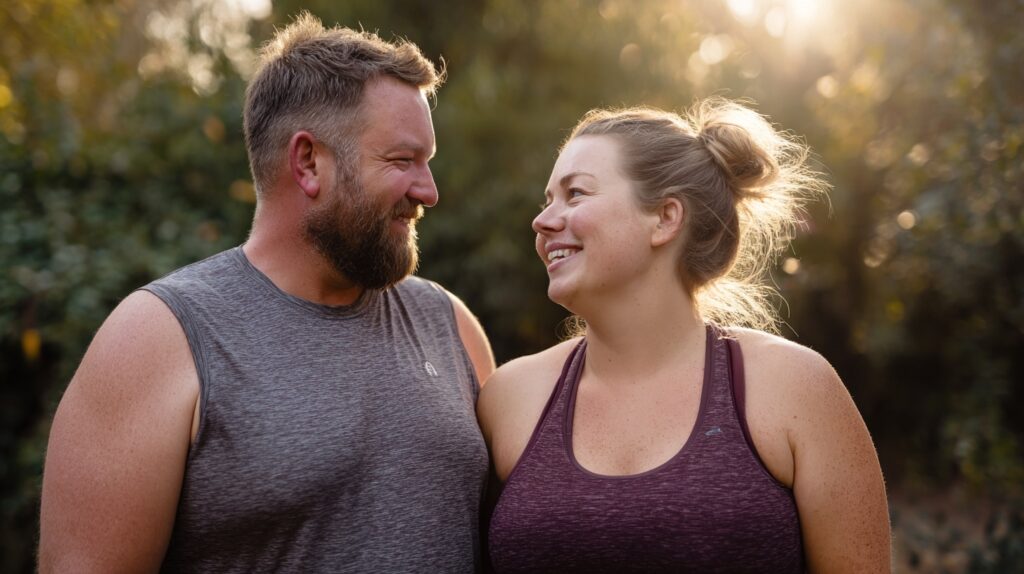
Nutrition and Behavior Coaching Still the Backbone
Medication gets attention. Coaching does most of the work.
The difference with telemedicine weight loss is how coaching shows up. It’s not a one-time lecture. It’s ongoing and practical, built around real life, travel weeks, stress spikes, late dinners, and social pressure.
Virtual platforms often include messaging, food tracking, and regular reviews. That steady feedback loop builds awareness without turning meals into math problems. Most people are also more honest remotely. Less performative. Fewer half-truths.
Behavior research backs this up. Consistent coaching improves long-term maintenance, especially with medical oversight.
This research shows that maintaining behavior change, not just starting it, is what drives long-term success.
For a closer look at how virtual nutrition plans get personalized, this guide explains it clearly.
Who Benefits Most From It?
More people than you might expect.
Telemedicine weight loss fits especially well for busy parents, remote workers, frequent travelers, and anyone burned out on scheduling appointments. It also works well for people who feel uncomfortable in traditional clinic settings.
It isn’t perfect for everyone. Patients with complex medical issues may still need in-person care alongside virtual support. Good programs are upfront about that. If someone claims virtual care works for everyone, that’s usually a warning sign.
Age and location aren’t the real limits. Engagement is. When patients stay involved and communicate honestly, results tend to follow.
Cost matters too. Many people find virtual programs cheaper over time because missed visits and unnecessary appointments drop. Knowing the pricing upfront avoids a lot of frustration.
Common Myths That Still Need to Die
One myth that won’t go away: telemedicine weight loss isn’t “real” medicine. Licensed clinicians don’t lose their training through a screen.
Another is that it’s only for people with a little weight to lose. Many programs treat obesity as the chronic condition it is, with long-term strategies instead of quick fixes.
Then there’s the idea that virtual care feels distant. In practice, many patients say the opposite. Having message access alone changes how supported people feel between visits.
And no, it’s not cheating. Using medical support to improve health is practical. If long-term success matters to you, this analysis adds a useful perspective.
Choosing the Right Telemedicine Weight Loss Program
The platform matters less than the people running it.
You should know who your provider is, what their credentials are, and how follow-ups work. Vague answers now usually mean problems later.
Be cautious with programs that promise exact timelines or hide pricing. Weight loss is personal. Predicting it like clockwork isn’t realistic.
Reviews help, but patterns matter more than perfection. Look for steady feedback about communication, responsiveness, and support, not just dramatic before-and-after photos.
Knowing what to ask before enrolling saves time and stress.
The Emotional Side of Weight Loss That Telemedicine Actually Addresses
This part rarely gets enough attention.
Weight loss carries emotional weight, frustration, shame, and burnout. Traditional settings sometimes make it heavier. Virtual care often lowers the pressure.
From home, people open up more. They admit when they’re struggling. They ask the questions they usually keep to themselves. That honesty leads to better adjustments and fewer silent dropouts.
Frequent check-ins matter. A short message at the right moment can stop a spiral. Weight loss usually doesn’t fail because of one meal. It fails because people feel alone afterward.
Support changes behavior. Quietly, but steadily.
Why Consistency Becomes Easier With It
Consistency isn’t exciting. It’s just effective.
Telemedicine weight loss removes many of the barriers that wreck it. Appointments fit into lunch breaks. Adjustments happen quickly. Problems don’t sit unresolved for months.
Small touchpoints add up. Weekly check-ins. Small course corrections. That responsiveness keeps momentum alive.
Plateaus feel less threatening when someone helps interpret them. Stress, sleep, hormones, often, the fix isn’t extreme. It’s specific.
How It Plays Out for Busy Lives (Because Life Doesn’t Pause)
Most people don’t quit because they stop caring. They quit because life gets messy.
Virtual care adapts. Travel weeks lead to nutrition tweaks. Stress spikes trigger behavioral support. Missed workouts mean recalibration, not guilt.
That flexibility keeps plans alive when life gets complicated. And since life always gets complicated, that matters.
What Long-Term Success Looks Like in Telemedicine Weight Loss
Fast drops look impressive. They aren’t the whole story.
Long-term success means learning patterns, hunger cues, stress responses, and habit loops. Telemedicine weight loss supports that learning over time.
As progress stabilizes, responsibility slowly shifts back to the patient. Not suddenly. That gradual handoff builds confidence instead of dependence.
Maintenance planning is often where outcomes are decided. Programs that talk about it early tend to do better.
It Isn’t a Trend It’s a Shift
Some still think telemedicine weight loss with GLP-1 is temporary. It isn’t.
Healthcare is moving toward access and continuity. Virtual care fits naturally there. Patients want support that works with their lives, not against them.
Clinics won’t disappear. But care is becoming more flexible. More responsive. More realistic.
Why the Right Mindset Still Matters
Even the best tools don’t replace effort.
Telemedicine weight loss works best as a partnership. Logging meals. Showing up for check-ins. Being honest. When patients engage, outcomes improve.
The difference is that virtual care makes those things easier. Asking for help feels simpler. Feedback comes faster. Progress feels possible.
Weight loss doesn’t have to feel punishing. With the right support, it usually feels manageable.
FAQs
- Is telemedicine weight loss safe?
Yes, when it’s run by legitimate providers who follow medical guidelines and monitor patients over time.
- Do I have to take medication?
No. Medication is optional and only used when it makes medical sense.
- How fast will I see results?
It varies. The goal is steady, sustainable progress, not dramatic drops.
- Can it replace in-person visits?
For many people, yes. Some conditions still need in-person care.
- Is it covered by insurance?
That depends on your plan. Some programs offer reimbursement or HSA/FSA options.
Let’s Summarize It
Telemedicine weight loss works because it lines up with real life. Medical oversight, convenience, and accountability come together in ways traditional programs often struggle to match.
It isn’t effortless. But it is realistic. And that realism is why people stick with it.
If you’ve been stuck, restarting, or tired of doing this alone, this approach might fill the gap, not because it’s trendy, but because it treats weight loss as the complicated medical and behavioral process it really is.
Want To Start Seeing Results?
If restarting every few months feels familiar, it might be time for a different approach. Telemedicine weight loss offers structure, support, and flexibility without constant clinic visits. Progress shouldn’t depend on willpower alone. Connect with a provider who supports you between appointments and build something that actually lasts.