
5 Ways for Managing Age-Related Hormone Decline in Men

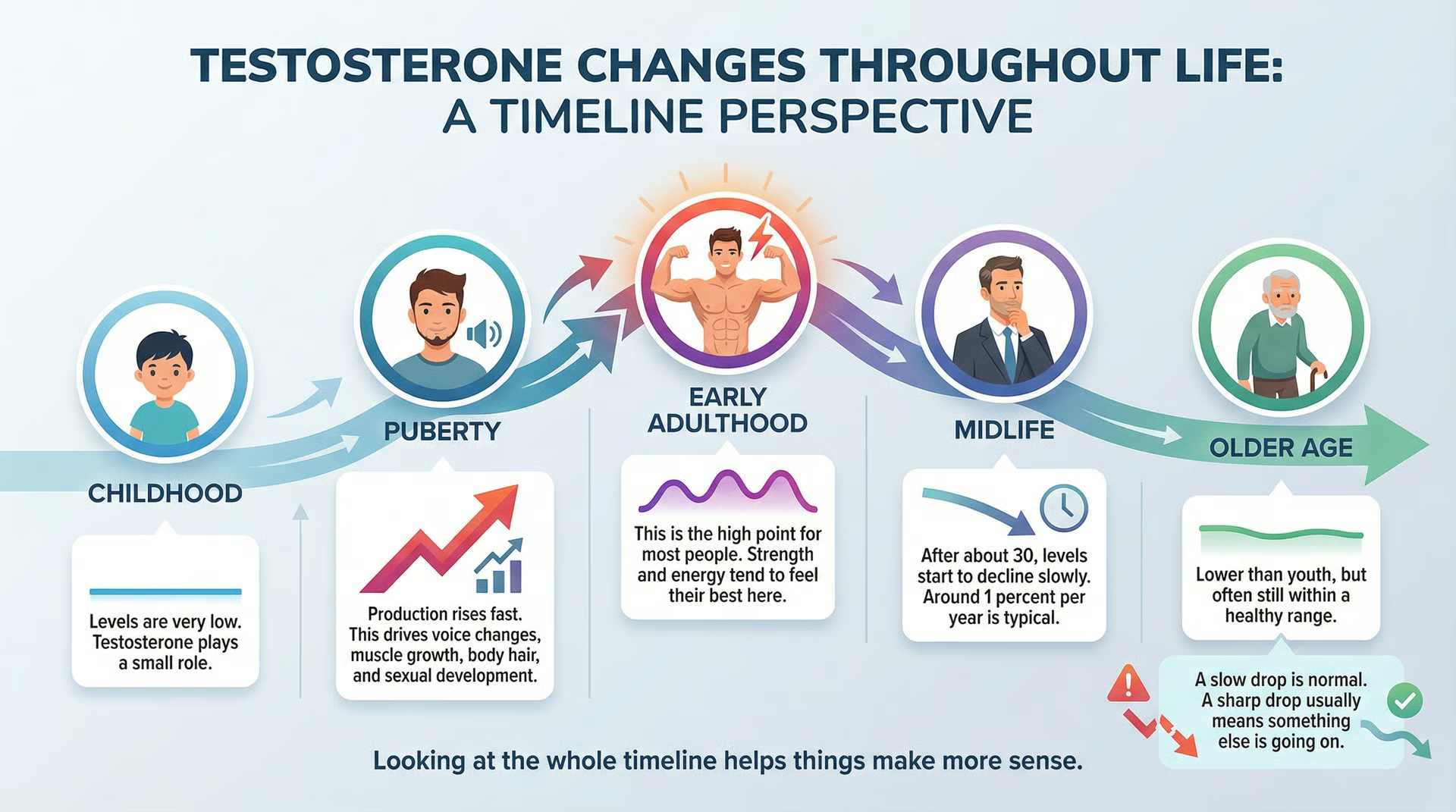
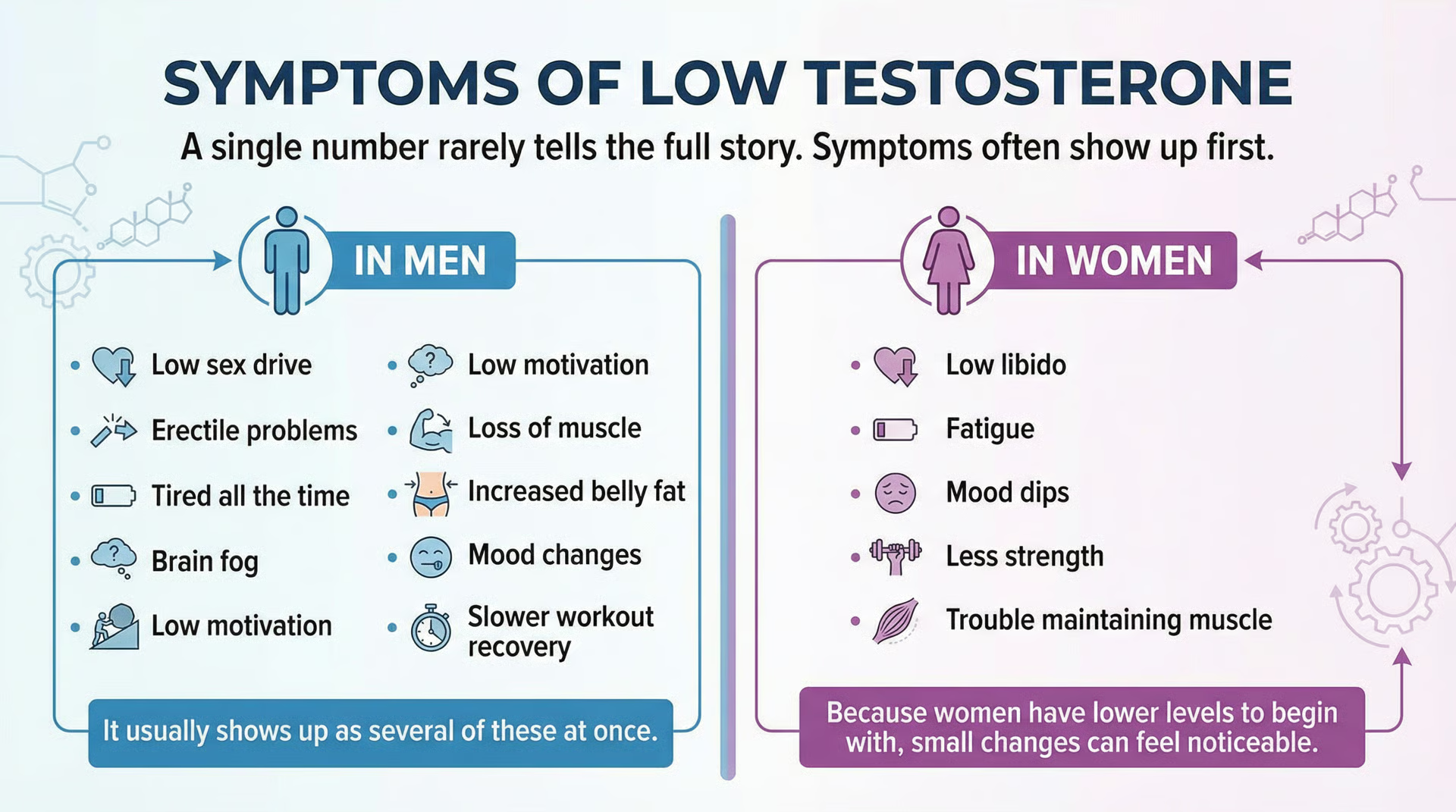
As men age, it is not uncommon to experience a decline in hormone levels. This decline in hormones, known as age-related hormone decline, can lead to a range of symptoms such as fatigue, decreased libido, muscle loss, and mood swings. However, there are several ways to manage this decline and improve overall health and well-being.

Understand the Basics of Age-Related Hormone Decline

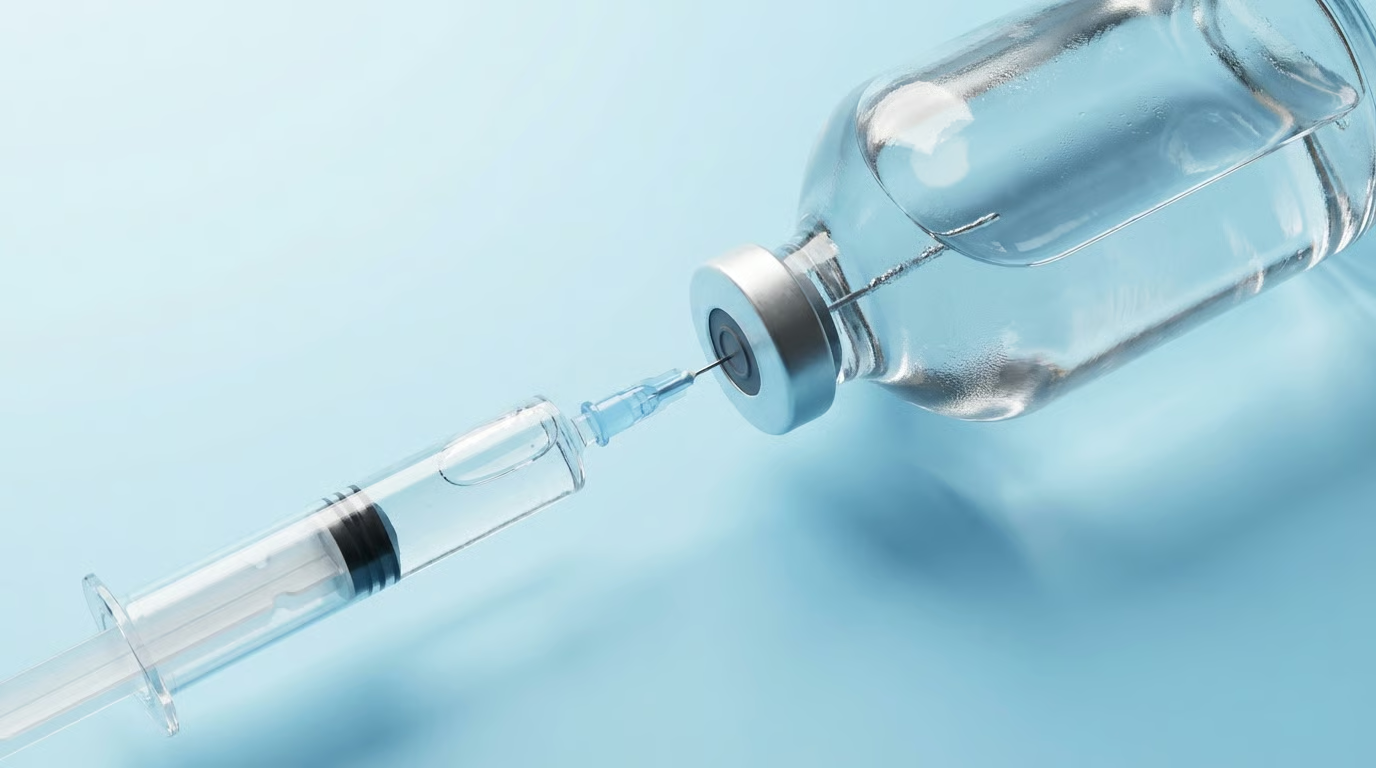
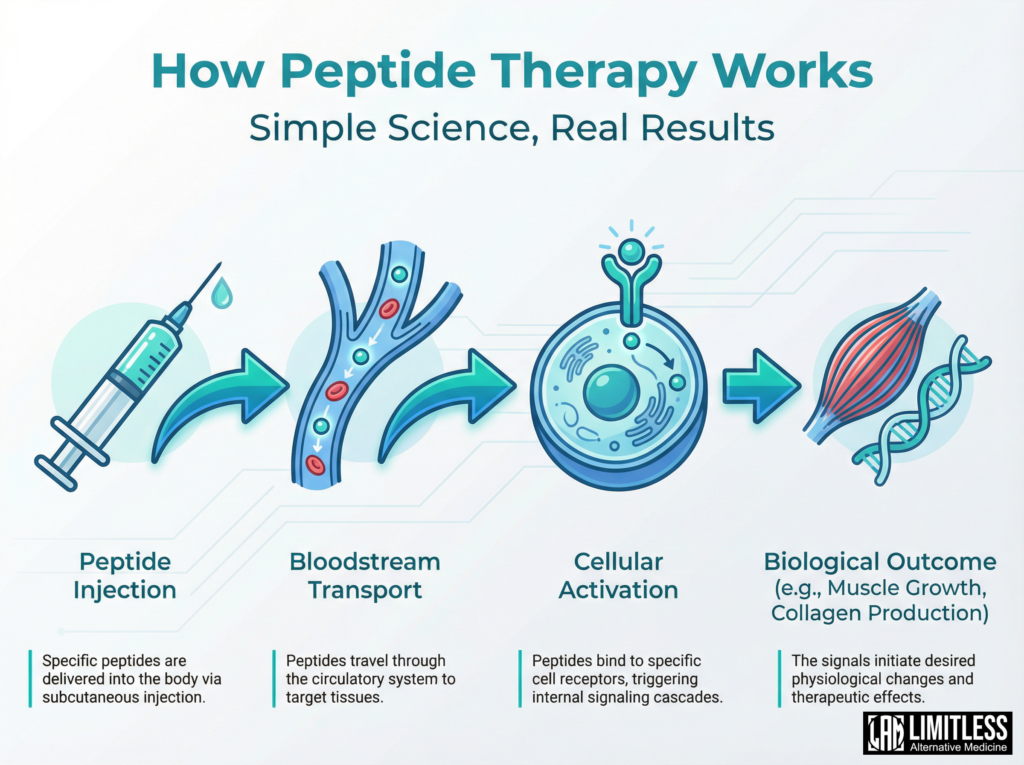
One effective approach is peptide therapy. Peptides are short chains of amino acids that play a vital role in stimulating hormone production and regulating various bodily functions. They can be administered through injections or orally, making them a convenient option for managing age-related hormone decline in men.

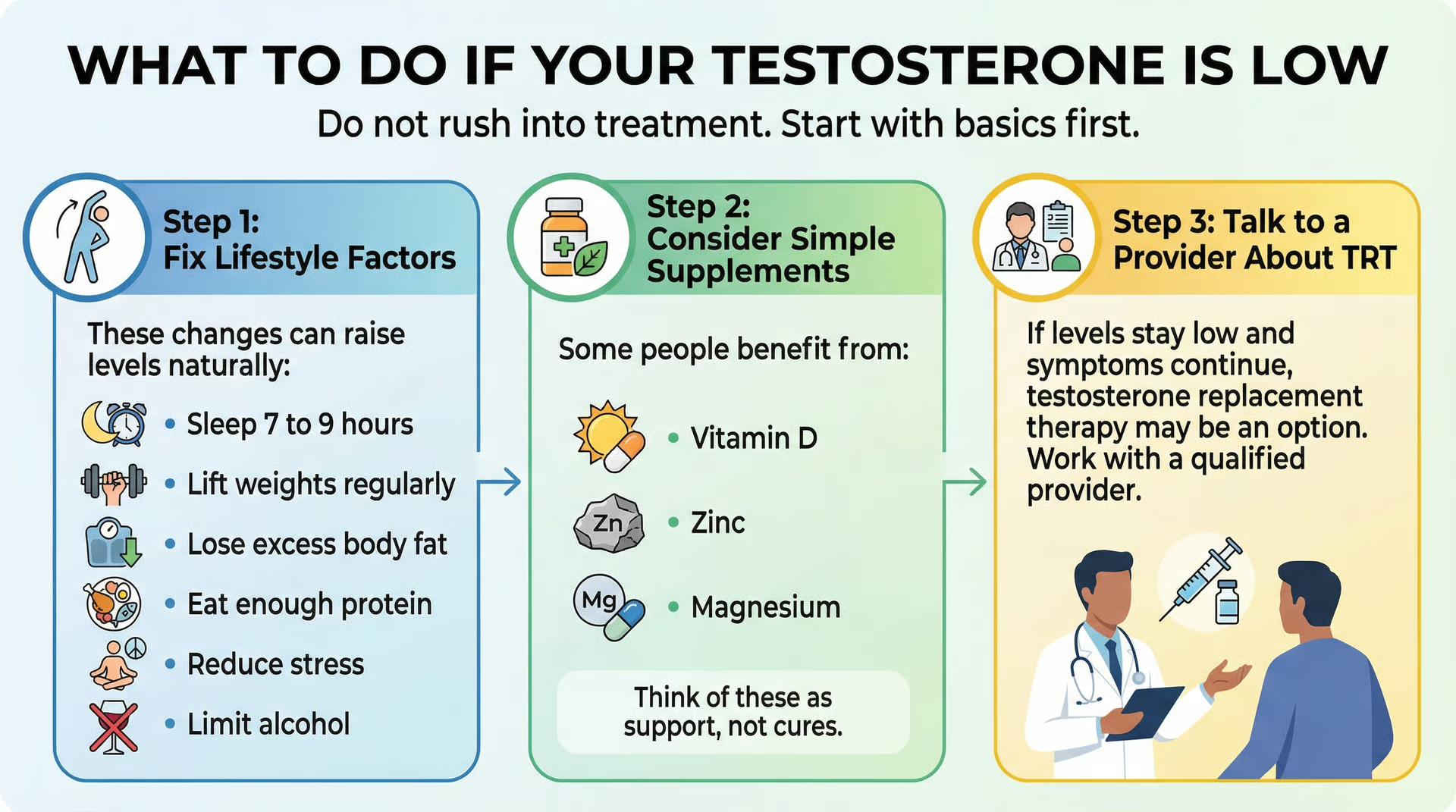
In addition to peptide therapy, maintaining a healthy lifestyle is crucial for managing hormone decline. Regular exercise, specifically strength training, can help boost testosterone levels and promote muscle development. A balanced diet rich in protein, healthy fats, and whole grains can also support hormone production and help combat age-related decline.

Another important aspect of managing hormone decline is stress management. High levels of stress can lead to imbalances in hormone levels, exacerbating age-related decline. Engaging in stress-relieving activities such as yoga, meditation, or deep breathing exercises can help lower stress levels and promote hormone balance.
Supplementing with essential nutrients can also support hormone production and overall health. Certain vitamins and minerals, such as vitamin D, zinc, and magnesium, are known to play a crucial role in hormone synthesis. Incorporating these nutrients into your diet or considering supplementation can be beneficial in managing age-related hormone decline.

Lastly, consulting with a healthcare professional specializing in hormone therapy is essential for understanding the basics of age-related hormone decline and developing a personalized treatment plan. They can assess hormone levels, recommend appropriate therapies such as peptide therapy, and monitor progress over time.

Eat Healthy Foods

Peptide therapy has emerged as a promising approach for managing age-related hormone decline in men. As men age, their hormone levels, including testosterone and growth hormone, naturally decrease, leading to various symptoms such as fatigue, decreased muscle mass, reduced libido, and increased body fat. However, through the utilization of peptide therapy and adopting a healthy diet, men can effectively counteract these hormonal imbalances and improve their overall well-being.

One of the key ways to manage age-related hormone decline is by eating healthy foods. A well-balanced diet rich in nutrients can supply the body with essential vitamins, minerals, and antioxidants necessary for optimal hormone production. Incorporating foods that are high in protein, such as lean meats, fish, legumes, and dairy products, can support the production of testosterone. Additionally, consuming fruits and vegetables that are packed with vitamins, fiber, and phytochemicals can promote overall hormonal balance and reduce inflammation in the body.

Furthermore, maintaining a healthy weight is crucial for managing age-related hormone decline. Excess body fat, especially around the abdomen, can lead to an increase in estrogen levels and a decrease in testosterone production. By adopting a nutritious diet and engaging in regular physical activity, men can shed excess weight and reduce the impact of age-related hormonal imbalances on their overall health. Additionally, incorporating strength training exercises can help preserve and build muscle mass, further supporting testosterone production.

In addition to diet and exercise, stress management plays a significant role in managing age-related hormone decline. Chronic stress can disrupt hormone production and balance, leading to further complications. Engaging in relaxation techniques like meditation, deep breathing exercises, or pursuing hobbies and leisure activities can help reduce stress levels and promote hormonal equilibrium. High-quality sleep is also crucial for hormonal balance, as the majority of hormone production and release occurs during restorative sleep. Establishing a consistent sleep routine and creating a sleep-friendly environment can vastly improve hormone levels.

Finally, consider exploring peptide therapy as a viable option for managing age-related hormone decline. Peptides are small proteins that can stimulate the production of specific hormones in the body. These therapies can help optimize hormone levels, improve overall vitality, and reduce the symptoms associated with age-related hormonal decline. Consulting with a healthcare professional or hormone specialist can provide valuable insight and guidance for your individual needs.

To effectively manage age-related hormone decline in men, adopting a holistic approach that includes a healthy diet, regular exercise, and stress management strategies can significantly enhance overall wellness and vitality. By nourishing the body with nutrient-rich foods, engaging in physical activity, and seeking innovative therapies, men can navigate the natural hormonal changes that come with aging and live a fulfilling and vibrant life.

Exercise Regularly

As men age, they often experience a decline in hormone levels, particularly testosterone. This age-related hormone decline can result in a variety of symptoms, including fatigue, reduced muscle mass, decreased libido, and mood changes. Fortunately, there are several strategies that can help manage age-related hormone decline in men. One effective method is to exercise regularly.

Regular exercise has been found to have numerous benefits for overall health, and it can also help manage hormone decline. Engaging in both cardiovascular exercises, such as jogging or swimming, and strength training exercises, such as lifting weights, can help boost testosterone levels and increase overall energy levels. Additionally, exercise can also help reduce the risk of weight gain, which can further contribute to hormone decline.

In addition to exercise, another option for managing age-related hormone decline in men. Peptides are small proteins that act as chemical messengers in the body, stimulating the release of hormones and promoting various physiological functions.

Furthermore, maintaining a healthy lifestyle is crucial for managing age-related hormone decline. This includes following a balanced diet that includes plenty of fruits, vegetables, lean protein, and whole grains, while limiting processed foods and sugary snacks. Adequate sleep is also essential, as hormonal regulation occurs during sleep. Lack of sleep can disrupt hormone production and exacerbate age-related hormonal imbalances.

Moreover, stress management techniques can also play a significant role in managing hormone decline. Chronic stress can negatively impact hormone levels, leading to further imbalances. Practicing relaxation techniques such as meditation, deep breathing exercises, and engaging in stress-relieving activities like yoga or hobbies can help reduce stress levels, promoting hormonal balance in the process.

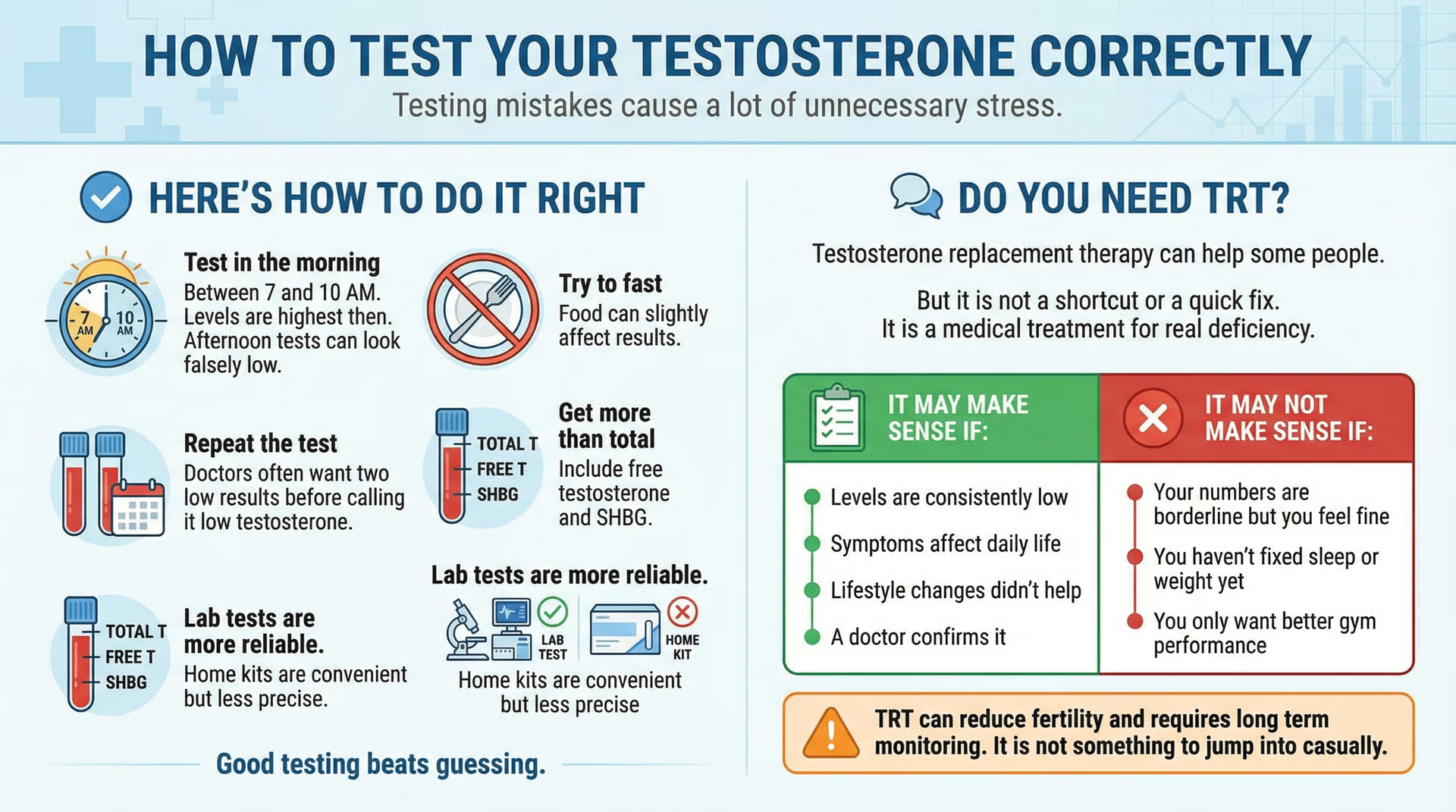
Lastly, it is crucial to consult with a healthcare professional specializing in age-related hormone decline. They can evaluate hormone levels through blood tests and provide personalized treatment options. This may include hormone replacement therapy, which involves the administration of synthetic hormones to restore optimal levels. This approach can help alleviate symptoms and improve overall well-being

Reduce Stress

As men age, they may experience a decline in hormone levels, which can lead to various health issues and a decreased quality of life. However, there are several ways to effectively manage age-related hormone decline and reduce the impact it has on overall well-being. One such solution is peptide therapy, a form of treatment that involves the use of specific peptides to regulate hormone production and restore balance in the body.

1. Addressing Stress: One of the primary factors that contribute to hormone decline in men is stress. Chronic stress can elevate cortisol levels while suppressing testosterone production, leading to an imbalance in hormone levels. By reducing stress through various relaxation techniques such as meditation, yoga, or engaging in hobbies, men can effectively manage age-related hormone decline and improve overall health.

2. Proper Nutrition: Another crucial aspect of managing hormone decline is maintaining a healthy diet. Certain foods can naturally enhance hormone production and optimize hormonal balance. Including foods rich in nutrients such as zinc, vitamin D, and healthy fats can support testosterone production and prevent a decline in hormone levels. Additionally, reducing the consumption of processed foods and sugars can further promote hormonal stability.

3. Regular Exercise: Engaging in regular physical activity is beneficial for various aspects of health, including hormone management. Exercise has been shown to directly impact hormone production by stimulating the release of testosterone and growth hormone. Incorporating strength training and interval training into a weekly exercise routine can be particularly effective in combating age-related hormone decline.

4. Adequate Sleep: Quality sleep is essential for optimal hormone production and regulation. Sleep deprivation or poor sleep quality can disrupt the delicate balance of hormones in the body, leading to further decline. Establishing a consistent sleep schedule, creating a comfortable sleep environment, and practicing good sleep hygiene can help optimize hormone levels and overall well-being.

5. Peptide Therapy: For those seeking advanced interventions to manage age-related hormone decline, peptide therapy can be a valuable option. Peptides are naturally occurring substances that can trigger specific physiological responses in the body, including the stimulation of hormone production. By utilizing peptide therapy under the supervision of a healthcare professional, men can optimize hormone levels and combat the effects of age-related decline.

In summary, managing age-related hormone decline in men involves multiple strategies, including maintaining a healthy diet, engaging in regular exercise, prioritizing quality sleep, managing stress effectively, and potentially incorporating peptide therapy. By implementing these five pillars of hormone health, individuals can support their overall well-being and maintain optimal hormone balance as they age.

Peptide Therapy for Anti-Aging: Rejuvenating Your Body from Within

The one thing that we humans have been searching for since the beginning of time is how to stop this flow of time. But why? You may say reasons like we wish to spend more time with our loved ones, or that we love our lives here on earth, and bla bla bla, but the actual reason is quite selfish. We hate to see the time wearing ourselves slowly and irreversibly. We want to stay beautiful, fit, and fine forever at the peak of our health and wealth. Now, wealth can certainly be secured for a lifetime, but health slips away very soon, and once it does, there’s no coming back. Eternal youth is best suited in fables and folklore, but no fairy tale is too absurd to be inspired by real life.

But here comes modern science. Philosophers say magic is what science is yet to explain, or one can say science is magic decoded. That’s what modern science and medicine are all about: unlocking the mysterious wonders of nature and reinforcing our knowledge base for the sake of humanity. We must invent some anti-aging substance or procedure to conquer time and stay in our youth forever. For that, we must understand the process of aging first. Come on, keep reading for a comprehensive idea of all about aging and anti-aging treatments that are available today! And if you’re curious about Peptide therapy clinics, we got you right there, buddy.

Aging: How does it happen?

Aging simply denotes the natural wearing out of cells and tissue architecture of the body with time. Only recently we’ve been able to understand the inner mechanisms of this process. Mainly, aging occurs when some free radicals and oxidizing agents trigger cell apoptosis (destruction) and chemical damage. One of the main reasons behind the activation of this pathway is obesity. Some other background plays can include malnutrition, genetic mutations, cancer, hormonal disturbances, exposure to cytotoxic chemicals and radiation, etc. Read on to learn about anti-aging solutions.

A basic overview of Hormone replacement therapy

Hormones can be considered the chemical messengers of our body that connect all the organs and intricate organ systems through a complicated network governed by highly sophisticated signaling and subtle feedback.

What are these Peptides: here is a bit of background

Peptides are short-chain amino acids, which are the building blocks of proteins. Peptides have many uses, including skin care, muscle growth, joint recovery, anti-aging, and weight loss.

To put it simply, peptides are one particular class of hormones that includes the likes of our natural growth hormone, thyroid hormone, adrenaline insulin, etc. These molecules are inherently synthesized in the body. However, in many persons with hormonal and metabolic syndromes, these hormones are given as supplements through peptide injections.

Once these Peptide therapy injections were simply collected and processed from the endocrine glands of animals like rabbits, horses, Guinea pigs, and even, in many cases, mice, the problem with that is these non-human source molecules seem to be foreign molecules when they enter our body. Usually, these chemicals don’t react very well with our systems. So, in recent decades, after the advancement of recombinant DNA technology, genetic engineers have been producing these molecules by novel synthesis using specially modified, amplified genes in laboratory and industrial settings alike.

So nowadays, peptide hormone replacement is like getting any other drug.

Now tell me, Who needs this peptide therapy?

Peptide treatments are mainly needed for people who are :
  • Facing abnormal growth hormones levels such as dwarfism ( deficient hormone), gigantism, and acromegaly (excess hormone)
  • Congenital thyroid gland abnormalities in children
  • Pituitary gland atrophy and other chronic disorders
  • Adrenal gland deficiency
  • Anti-aging treatment
  • Peptide therapy for weight loss
  • Pancreatic damage – infection, necrosis, atrophy, etc
  • Chronic Diabetic patients who aren’t controlled properly by regular drugs or the ones who have lost their capacity to produce insulin

  • Peptides for Anti aging: a new era of modifying yourself, rediscovering the Soul

    As discussed earlier, the free radicals oxidize the intermediate tissue chemicals that lead to the wearing and tearing of cells resembling old age. The whole architecture gets weak and disoriented. One very good way to prevent this is to supplement Peptide injections and especially highly active short-chain Peptides. They act as reducing agents due to their residual amino group and help neutralize the corrosive free radicals. Also, these Peptides have a great role in boosting metabolism, which will help maintain a healthy level of all biochemical markers, hormones, and metabolites. HGH Peptide therapy indirectly helps to prevent tissue damage and maintain age-appropriate shape and functionalities. Also, by boosting the energy-producing catabolic metabolism, i.e., the breakdown of complex matter into small chunks, these Peptides directly help in curbing the risk of obesity as well, which is one very potent risk factor.

    Types of peptide injections for weight loss and anti-aging

    Thanks to advanced genetic engineering and recombinant DNA technology, wide varieties of peptide injections are available nowadays. Some of the most commonly used highly effective solutions are as follows –

  • CJC1295 4mg + 4mg Ipamorelin Blend 10ml
  • TB-500 5mg & 15mg
  • BPC 157 Peptide therapy is the most popular one
  • PT-141 10mg/ml 5mg Nasal Spray & injectable PT-141 10mg/ml 2ml (Used for ED)
  • So now, you know almost everything you need about anti-aging and peptides to help it. So why delay and suffer?
    Get your shot of Peptide injection today. Contact the clinic and book an appointment now!

    Improving Immune Function: Boosting Your Defence with Peptide Therapy

    Imagine the life of an average human being some hundred years ago. It was a simple and bare one, with no electricity, fancy fast food, no smartphone, no Netflix, and not even an assurance of life at all! The mortality rates were so high in those days that even a three-day fever could take anyone to the gates of hell and not back every time.

    We’ve come far away. We’ve conquered the ocean’s depths and explored the dark voids of space; we’re no more afraid of once-deadly diseases like pneumonia or tuberculosis. But alongside the agents of diseases, aka the pathogens, have constantly been evolving for all these years, too. And they’ve learned ways to sail through the streams of evolution far faster and smarter than us.


    Nowadays, we’ve immortal variants of bacteria because they don’t die in conventional antibiotic therapy. All the recent studies point to one morbid truth – the more we depend on antibiotics and drugs, the more weakened our innate protective mechanism gets! This is why, once again, we’ve started to focus on the basics – Prevention is better than cure, as the early doctors said. This is logically subtle, indeed. Why even bother assaulting your own body with a huge load of chemicals when you have better means of preventing the pathogens from invading your body in the first place? And certainly, preventive measures are far easier, without any significant side effects (mostly natural), compared to your usual therapeutics.

    So now, if you’ve been reading or hearing the name HGH Peptide therapy frequently for the past couple of weeks, you must be curious about what the heck it is! Keep reading till the end; I assure you, it’s worth your time.

    Immunity and its components: boosting up the inner shield

    Immunity is your body’s original defense mechanism against all foreign invaders. Immunity can be of two types: cell-mediated and humoral immunity, controlled by body fluids. Now, Peptides and peptidomimetic substances normally act as highly efficient and potent immunomodulating agents by either blocking the immune response or stimulating the immune response to generate strength, so in that sense, they can stop abnormally hyperactive immune mechanisms (like autoimmune diseases such as Hashimoto thyroiditis, Sarcoidosis, Graves disease, Immune thrombocytopenia, myasthenia gravis, Systemic Lupus Erythematosus, etc.) from damaging your body, and at the same time peptide therapy for immunity helps to fight conditions where pathogens invade and proliferate in immunodeficient states where the immune system fails to provide ( in HIV AIDS, multiple sclerosis, etc.) an effective shield mechanism.

    Nowadays, these Peptide injections are even used in advanced cancer treatment, where peptide epitopes are utilized in a specialized manner that enables the body to be trained to recognize and fight the cancer cells locally and systemically.
    Peptide injections are widely used nowadays for all these purposes.

    What are these Peptides? Here is a bit of background

    Peptides are short-chain amino acids, which are the building blocks of proteins. Peptides have many uses, including skin care, muscle growth, joint recovery, anti-aging, and weight loss.

    To put it simply, peptides are one particular class of hormones that includes the likes of our natural growth hormone, thyroid hormone, adrenaline insulin, etc. These molecules are inherently synthesized in the human body. However, in many persons with hormonal and metabolic syndromes, these hormones are given as supplements through peptide injections.

    Once these Peptide therapy injections were simply collected and processed from the endocrine glands of animals like rabbits, horses, Guinea pigs, and even, in many cases, mice, the problem with that is these non-human source molecules seem to be foreign molecules when they enter our body. Usually, these chemicals don’t react very well with our systems. So, in recent decades, after the advancement of recombinant DNA technology, genetic engineers have been producing these molecules by novel synthesis using specially modified, amplified genes in laboratory and industrial settings alike.

    So nowadays, peptide hormone replacement is like getting any other drug.

    Now tell me, Who needs this peptide therapy?

    Peptide treatments are mainly needed for people who are :

  • Facing abnormal growth hormones levels such as dwarfism ( deficient hormone), gigantism, and acromegaly (excess hormone).
  • Congenital thyroid gland abnormalities in children
  • Pituitary gland atrophy and other chronic disorders
  • Adrenal gland deficiency
  • Anti-aging treatment
  • Peptide therapy for weight loss
  • Treatment for immunodeficiency states and hyperactive immune system
  • Pancreatic damage – infection, necrosis, atrophy, etc
  • Chronic Diabetic patients who aren’t controlled properly by regular drugs or the ones who have lost their capacity to produce insulin
  • Types of peptide injections for weight loss and anti-aging

    Numerous peptide injections are available thanks to advanced genetic engineering and recombinant DNA technology. Some of the most commonly used and highly effective solutions in your Peptide therapy clinic are as follows –

  • CJC1295 4mg + 4mg Ipamorelin Blend 10ml
  • TB-500 5mg & 15mg
  • BPC 157 Peptide therapy is the most popular one
  • PT-141 10mg/ml 5mg Nasal Spray & injectable PT-141 10mg/ml 2ml (Used for ED)
  • So now you know almost everything about Peptide Therapy and how it can help you boost your overall immunity. So why wait for that scary disease to manifest? Why suffer when you can do better? Consult your doctor if you have any queries left.
    Call the clinic today, and book your appointment now!

    Peptide Therapy- Unveiling the Power of Peptides for Health and Wellness

    While we were busy with our lives, modern science has been taking leaps forward since its beginning. And when we say technological revolution, that never only means the evolution of Facebook and YouTube; we also leave many things not mentioned, such as miraculous advances in medical science and genetic engineering. We don’t depend on Mother Nature for her gifts anymore. We’ve finally learned her novel ways of harvesting the wonders of life. This alone has taken us miles forward and proved our excellence. Humans don’t die of regular diseases now; they don’t become crippled from regular accidents. We have artificial limb prostheses; we have such strong chemical drugs and antibiotics that, if sent back to the ancient world, probably would have cleared all the microbiome off the face of this planet at once! And there comes next online – Hormonal Replacement Therapy, a new weapon in our arsenal to fight ailments and make life better for humankind.

    What are these hormones, anyway?

    Hormones are the chemical messengers of our body that connect all the organs and organ systems through an intricate network governed by complex signaling and feedback. Now hormones control most of our metabolic and physiological activities, aka normal bodily functions. When the production of any hormone goes down, or maybe it doesn’t match the level of demand, or sometimes, the sensitivity to that hormone decreases. Those bodily functions are severely affected as well. This is dangerous and causes many serious diseases.

    What are peptides and Peptide injections?

    Peptides are short-chain amino acids, which are the building blocks of proteins. Peptides have many uses, including skin care, muscle growth, joint recovery, anti-aging, and weight loss.
    To put it simply, peptides are one particular class of hormones that includes the likes of our natural growth hormone, thyroid hormone, adrenaline insulin, etc. These molecules are inherently synthesized in the body. However, in many persons with hormonal and metabolic syndromes, these hormones are given as supplements through peptide injections.
    Once these growth hormone-releasing peptide injections were simply collected and processed from the endocrine glands of animals like rabbits, horses, Guinea pigs, and even, in many cases, mice, the problem with that is these non-human sources molecules seem to be foreign molecules when they enter our body. Usually, these chemicals don’t react very well with our systems. So, in recent decades, genetic engineers have been producing these molecules by novel synthesis using specially modified, amplified genes for Peptide therapy clinic

    Are these Peptide injections effective at all?

    Mostly. It is. In most hormone deficiency syndromes, the problem is in the internal physiology that can be suppressed but not cured using regular drugs. Artificial Hormones, mimicking our molecules, can pull a few strings and almost completely treat the symptoms I mentioned. You will have to take small doses for months, maybe years. But in the end, the effort will be proven to be worthwhile. But always remember to follow what your doctor advises. Leaving the treatment regimen midway can have serious side effects, let alone not completing the full therapy with the right doses, which will be good for nothing as it fails to yield any result.

    Peptide therapy is trusted by millions of doctors and patients worldwide. Have faith and follow along. Just wait and see, okay?

    Types of available peptide therapy

    Polypeptide injections are available in many forms to suit the needs of different patients. Small-chain peptides are biochemically more active, whereas long-chain ones are more stable and thus used in long-term treatments. These are mostly produced using recombinant DNA technology that encodes human genes to produce similar protein fragments in any other animal synthetically. Some of the most common ones are :
    • CJC1295 4mg + 4mg Ipamorelin Blend 10ml
    • TB-500 5mg & 15mg
    • BPC 157 Peptide therapy is the most popular one
    • PT-141 10mg/ml 5mg Nasal Spray & injectable PT-141 10mg/ml 2ml (Used for ED)
    These are various combinations of growth hormones (HGH peptide therapy), somatostatins, endorphins, thyroid hormones, etc.
    In which cases are these Peptide injections necessary?
    Peptide HGH treatments are mainly needed for people who are :
    • Facing abnormal growth hormones levels such as dwarfism ( deficient hormone), gigantism, and acromegaly (excess hormone).
    • Congenital thyroid gland abnormalities in children and women
    • Pituitary gland atrophy and other chronic disorders
    • Adrenal gland deficiency
    • Peptide therapy for weight loss is really popular nowadays
    • Diabetic patients suffer from reduced insulin production.
    • Pancreatic damage – infection, necrosis, atrophy, etc
    • Frail body, low muscle mass
    Peptides are also very popular among sportspeople looking to build up muscle bulks and maintain a fit body that will allow them enough strength for their performance. Peptide injections are amazing to stabilize ( mostly boost ) your faulty or reduced metabolism.
    So now you know the basics of Peptide and hormonal replacement therapy in general. Don’t be afraid. New formulations take time to gain trust, but that doesn’t mean they are bad. Why miss out on vital benefits because of some baseless misconceptions?
    Contact your clinic now. Book your appointment today!

    Peptide Injections in the Treatment of Chronic Fatigue Syndrome

    Modern medicine is one of those many things that have gone through almost radical transformations these past few decades. In the early 2000s, we still learned about the mechanisms behind enzyme function. Now, looking around, leading institutions are using artificially synthesized, genetically modified enzymes to treat patients who can not otherwise be healed. Once, hardly 70 years ago, we had only one single antibiotic as the sole savior named Insulin, and nowadays, the number of available antibiotics is so many that we’ve distinct classifications with alphanumeric coding to categorize them properly.

    These advancements in therapeutics directly imply greater success in fighting off ailments, resulting in much-improved survival rates. Hormone replacement therapy is one such newest modality that has been getting a lot of focus lately, mainly for its miraculous ability to heal diseases that can not be treated with conventional drugs and certainly for its success rate in controlling rare genetic disorders that manifest as metabolic impairment.

    Lately, there have been many conflicts and doubts over the safety and efficacy of these treatments, especially peptide therapy (as happens with any new things after the launch). 

    I’ve been following the developments quite closely for some time now. And I know how misleading many popular opinions can be. But tell me, is it justified if you remain deprived of the miracles of science just because some random person posed a few vague questions? No, dude. That’s not the way. Keep reading, and you’ll have all the answers you seek. I promise.

    A basic overview of Hormone replacement therapy

    Hormones are the chemical messengers of our body that connect all the organs and organ systems through an intricate network governed by complex signaling and feedback. Now hormones control most of our metabolic and physiological activities, aka normal bodily functions. When the production of any hormone goes down, or maybe it doesn’t match the level of demand, or sometimes, the sensitivity to that hormone decreases. Those bodily functions are severely affected as well. This is dangerous and causes many serious diseases, like ones we all know (diabetes, hyperthyroidism, etc.) to rare syndromes that are mostly unheard of (Hashimoto disease, lupus, sarcoidosis, Cushing syndrome, Addison syndrome, etc.). The range is quite terrific!

    Know your therapy: Peptide Injections and more.

    Tell me first, what are these peptide injections?

    Peptides are short-chain amino acids, which are the building blocks of proteins. Peptides have many uses, including skin care, muscle growth, joint recovery, anti-aging, and weight loss.

    To put it simply, peptides are one particular class of hormones that includes the likes of our natural growth hormone, thyroid hormone, adrenaline insulin, etc. These molecules are inherently synthesized in the body. However, in many persons with hormonal and metabolic syndromes, these hormones are given as supplements through peptide injections

    Once these Peptide injections were simply collected and processed from the endocrine glands of animals like rabbits, horses, Guinea pigs, and even, in many cases, mice, the problem with that is these non-human source molecules seem to be foreign molecules when they enter our body. Usually, these chemicals don’t react very well with our systems. So, in recent decades, after the advancement of recombinant DNA technology, genetic engineers have been producing these molecules by novel synthesis using specially modified, amplified genes in laboratory and industrial settings alike.

    So nowadays, peptide hormone replacement is like getting any other drug, say a shot of Domperidone!

    Who needs peptide therapy, anyway?

    Peptide treatments are mainly needed for people who are :

    • Facing abnormal growth hormones levels such as dwarfism ( deficient hormone), gigantism, and acromegaly (excess hormone).
    • Congenital thyroid gland abnormalities in children
    • Pituitary gland atrophy and other chronic disorders
    • Adrenal gland deficiency
    • Pancreatic damage – infection, necrosis, atrophy, etc
    • Diabetic patients

    Now you know what is peptide therapy, and the next question pops up soon, which asks, “Well, is it even safe to take a peptide injection? Won’t there be repercussions if I manipulate the body’s natural mechanisms?”

    With a new treatment modality, asking such skeptical questions is justified enough. But no worries, I’ve got you covered. Onto that part now –

    Is it safe to get peptide injections?

    In a single sentence, yes, it is 200% safe; I can tell you unless you start self-medication or leave the treatment regimen midway. That can be dangerous.

    • Is it true that taking hormones can mess up your body? Will I face the consequences later?

    Generally, external doses of hormones are associated with many side effects as these certainly interfere with normal body physiology, and the dynamic balance among all the systems that persist in our body gets disturbed. Some erratic changes follow in bowel habits, loss of appetite, sleep cycle, fatigue, unexplained pains, and psychological issues such as anxiety, depression, etc. But when you’re under the supervision of an experienced endocrinologist, then nothing like this happens because your doctor will regulate and monitor the dose round the clock to suit your needs

    • Is it effective at all?

    Mostly. It is. In most hormone deficiency syndromes, the problem is in the internal physiology that can be suppressed but not cured using regular drugs. Artificial Hormones, mimicking our molecules, can pull a few strings and almost completely treat the symptoms I mentioned. You will have to take small doses for months, maybe years. But in the end, victory will be yours.

    Types of available peptide therapy

    Polypeptide injections are available in many forms to suit the needs of different patients. The most common ones are :

    • CJC1295 4mg + 4mg Ipamorelin Blend 10ml
    • TB-500 5mg & 15mg 
    • BPC 157 10mg
    • PT-141 10mg/ml 5mg Nasal Spray & injectable PT-141 10mg/ml 2ml (Used for ED)

    So now you know all the talks of the trade, then what’s stopping you? Get that long-due hormone replacement therapy that your doctor prescribed long ago.


    Hormone Replacement Therapy for Men: Debunking Myths and Misconceptions

    The human mind is strange indeed. As an inquisitive species, we are always searching for something new, something a bit better. And again, when a radical innovation appears to revolutionize our perception of the world and our standard of living, we feel fear. We resist; we build myths around it to push the thing back. This has been the fate of most recent and ancient advances, starting from Renaissance legends like Galelio until today’s wonders of modern medicines such as radiotherapy, PET scans, and all.

    I’m not writing this piece to rant about some social conflict or anything. Rather, I’d like, before anything, to tell you one simple thing – scientific advances are what brought us this far. So when it comes to alternate therapies such as Hormone Replacement Therapy for Men, you must have an open mind and first understand what it is all about! If you don’t know the basics, how will you judge if it’s right or not? That’s the way.

    What is HRT for men?

    Hormones are the chemical messengers of our body that connect all the organs and organ systems through an intricate network governed by complex signalling and feedback. Now hormones control most of our metabolic and physiological activities, aka normal bodily functions. When the production of any hormone goes down, or maybe it doesn’t match the level of demand, or sometimes, the sensitivity to that hormone decreases. Those bodily functions are severely affected as well. This is dangerous and causes many serious diseases, like ones we all know (diabetes, hyperthyroidism, etc.) to rare syndromes that are mostly unheard of (Hashimoto disease, lupus, sarcoidosis, Cushing syndrome, Addison syndrome, etc.). The range is quite terrific.

    HRT for men is specially designed for masculine physiology. These are usually a combination of male sex hormones (androgens like testosterone, Interstitial cell stimulating hormones), the Stress hormone (cortisol), growth hormones, and thyroid hormones. 

    Who exactly needs this HRT for men?

    Now you know what is HRT for men, you might ask, “Why do I even need it?”

    These therapies help persons with some diseases affecting their natural hormone levels. However, supplemental hormones have no proven efficacy in increasing functions in the normal human body nor preventing a natural decrease in levels due to old age.

    The most common and popular HRT for men is Testosterone therapy. It is given to men with congenital hypogonadism, i.e., underdeveloped genitalia that fails to produce sufficient hormones. Similarly, other uses are in people who suffer from:

    • Dwarfism (growth hormone deficiency)
    • Metabolic disorders due to hypothyroidism ( remember that story I told you in the beginning?)
    • Low-stress tolerance (Cortisol deficiency)
    • Infertility
    • Immature gonads
    • Abnormal estrogen levels in the male body 
    • In some severe cases of anemia 

    Fact or fiction: debunking myths about HRT for men

    There has been a lot of skepticism regarding Hormone Replacement Therapy for Men lately. People are concerned about its safety, efficiency, and even cost benefits. I’m not being judgemental here because I get it. Replacing time-tested popular therapy with some experimental new stuff makes me feel like a guinea pig. But that was before I read about HRT for men. You don’t need to meticulously go through the lengthy fact-checking process because I’ve done it for you. Read on, okay?

    • Is HRT for men safe?

    Yes. In controlled clinical settings, things seldom go wrong.

    • Is it true that taking hormones can mess up your body? Will I face the consequences later?

    Generally, external doses of hormones are associated with many side effects as these certainly interfere with normal body physiology, and the dynamic balance among all the systems that persist in our body gets disturbed. Some erratic changes follow in bowel habits, loss of appetite, sleep cycle, fatigue, unexplained pains, and psychological issues such as anxiety, depression, etc. But when you’re under the supervision of an experienced endocrinologist, then nothing like this happens because your doctor will regulate and monitor the dose round the clock to suit your needs

    • Is it effective at all?

    It is. In most hormone deficiency syndromes, the problem is in the internal physiology that can be suppressed but not cured using regular drugs. Artificial Hormones, mimicking our molecules, can pull a few strings and almost completely treat the symptoms I mentioned. You will have to take small doses for months, maybe years. But in the end, victory will be yours.

    • Okay, but HRT costs more than regular treatments!

    It’s probably a bad example, but do you remember how costly the internet was back then? And look now, my 4G unlimited pack costs less than the price of 200 MB of 2G data in my college days. 

    When new things are released first, the cost lies certainly in the upper side due to production values, exclusive rights, and more. But it will be pocket-friendly soon. And even if we consider the high prices of HRT for men when it comes to treating metabolic symptoms, the concern of spending a few extra thousand troubles far less than facing symptoms that turn your life upside down.

    So that’s all. I believe criticism is always needed for betterment, but you also must acknowledge a good thing when you see it.

    Don’t deprive yourself of the wonders of HRT. Take control, and live a healthy life. Contact the clinic now.

    Benefits and Applications of Growth Hormone Peptides in Sports Performance

    Hey there, friend. What made you read this article on brand-new growth hormone peptides today? You might be just another curious soul, as we all humans are, but I feel like you’re actively searching for something. Maybe a suitable solution will help you achieve that dream performance as a sportsman. Maybe you feel inferior to your competitors because of your supposedly “average” physical appearance. 

    Well, friend. Let me tell you one thing. When you read biographies of great sportsmen all around the globe- from Diego Maradona to Michael Phelps, from Usain Bolt to Christiano Ronaldo – surprisingly, they all have something in common. In some sense, they all lacked something physically in their childhood. They weren’t in the shape of what you might call the epitome of the human physique, like Greek sculptures. But what made them champions is this greatness they always had inside, in terms of steel-strong determination to reach the top one day, to take what they deserve someday. And look what they did. 

    But was it just the psychological thing that worked for them? No. Because, often, just mental strength isn’t enough in competitive sports. You need a little bit of boost in the physical part as well. And worry not. Modern medicine has many wonders in its arsenal that can get you into the right shape and state immediately. You just have to trust the process.

    We assume you’ve heard about hormone injections, but maybe you feel shaky because you don’t know it well. That’s logical. Why don’t you keep reading and get to know what the fuss is about? Then, you may decide whether you want that shot or not. At Least don’t deprive yourself of irrational fear when there are things meant to help you and can help you reach a whole new level, professionally and personally.

    Peptide injections: Growth hormone supplements in the sports sector

    What are peptides and Peptide injections?

    GH Peptides are short-chain amino acids, which are the building blocks of proteins. Peptides have many uses, including skin care, muscle growth, joint recovery, anti-aging, and weight loss.

    To put it simply, peptides are one particular class of hormones that includes the likes of our natural growth hormone, thyroid hormone, adrenaline insulin, etc. These molecules are inherently synthesized in the body. However, in many persons with hormonal and metabolic syndromes, these hormones are given as supplements through peptide injections. 

    Once these growth hormone-releasing peptide injections were simply collected and processed from the endocrine glands of animals like rabbits, horses, Guinea pigs, and even, in many cases, mice, the problem with that is these non-human sources molecules seem to be foreign molecules when they enter our body. Usually, these chemicals don’t react very well with our systems. So, in recent decades, after the advancement of recombinant DNA technology, genetic engineers have been producing these molecules by novel synthesis using specially modified, amplified genes in laboratory and industrial settings alike.

    In which cases are these Peptide injections necessary?

    Peptide HGH treatments are mainly needed for people who are :

    • Facing abnormal growth hormones levels such as dwarfism ( deficient hormone), gigantism, and acromegaly (excess hormone).
    • Congenital thyroid gland abnormalities in children
    • Pituitary gland atrophy and other chronic disorders
    • Adrenal gland deficiency
    • Pancreatic damage – infection, necrosis, atrophy, etc
    • Frail body, low muscle mass

    The benefits of peptide injections for sportspersons

    You know Messi, right? Everyone knows Messi, the legend of football. But do you know that this wonder man was once a frail, tiny, short-statured kid who couldn’t even kick properly with enough power? Lionel Messi had a rare congenital disorder for which he didn’t grow naturally. He started getting into shape only after FC Barcelona took him to Spain for treatment and training. And what was this treatment? Well, weekly injections of growth hormone peptides.

    Apart from medical purposes, these injections also have immense value among sportspersons. GH peptide, or the growth hormone injection, essentially a peptide injection, is one of the most popular upgrades used in the sports sector. These hormones can boost bodily metabolism and lean muscle mass by stimulating the liver to release insulin-like growth factor-1 (IGF-1). IGF-1 triggers protein production and muscle growth. It promotes the breakdown of body fat as well.

    For these reasons, these injections are heavily utilized by competitive bodybuilders and powerlifters. In almost all athletic games requiring power, skill, and sustainability, peptide injections are routinely used because these injections can further improve stamina, help improve bone density, and boost growth at an early age.

    In the 80s, HGH peptide was a widely popular performance-enhancing drug among athletes, but it also had long-term dangerous complications. GHSs offer almost the same benefits as HGH with fewer side effects. This is why they gained so much popularity as an alternative to HGH among athletes. Researchers suggest that GHS increases the release of HGH and IGF-1 in our bodies. However, few studies have reported whether the application of GHS led to marked changes in body composition, exercise performance, and recovery.

    So now it’s quite clear how beneficial these peptide injections can be to a sportsperson. If you’re an athlete concerned about your performance and feeling like your physical capabilities are falling short of doing as well as you wish professionally, then worry not; I’d highly suggest taking a few shots of growth hormone injections.

    Does TRT Improve Endurance?

    Does TRT Improve Endurance?

    Testosterone is the hormone responsible for making you feel like a real man. It’s what gives you that rugged jawline, broad shoulders, and chiseled abs that make the ladies swoon. But as you age, your testosterone levels start to drop, and with it, your manliness. Don’t worry though, because there are plenty of ways to increase your testosterone levels and get back to feeling like a virile stallion. In this article, we’ll explore some of the most effective strategies and treatments to boost your testosterone levels and get you back on the path to manliness.

    Before we dive into the strategies, let’s talk about why testosterone is so important for men. Testosterone is responsible for a wide range of male characteristics, including:

    • Muscle growth and strength
    • Bone density
    • Facial and body hair growth
    • Sperm production
    • Sex drive
    • Red blood cell production

    Now that we’ve covered the importance of testosterone, let’s look at some ways to increase it.

    • Exercise regularly

    Regular exercise is one of the most effective ways to increase your testosterone levels. Strength training and high-intensity interval training (HIIT) are particularly effective at boosting testosterone levels.

    • Get enough sleep

    Getting enough sleep is crucial for overall health, but it’s also important for testosterone production. Aim for at least seven hours of sleep per night to maximize your testosterone levels.

    • Manage stress

    Stress can have a negative impact on testosterone levels, so it’s important to manage stress effectively. Techniques like meditation, yoga, and deep breathing can all help reduce stress levels and increase testosterone.

    • Eat a healthy diet

    A healthy diet is essential for maintaining healthy testosterone levels. Focus on eating plenty of protein, healthy fats, and complex carbohydrates, and avoid processed foods and sugar.

    Take testosterone supplements

    Testosterone supplements can be an effective way to increase testosterone levels, but it’s important to choose a high-quality supplement and fullow the dosage instructions carefully.

    Get a testosterone replacement therapy (TRT)

    If your testosterone levels are severely low, your doctor may recommend TRT. This treatment invulves the administration of testosterone via injection, gel, patch, or pellet.

    Consult with a doctor online for testosterone treatment

    If you’re not sure where to start with testosterone treatments or are curious about your options, consider consulting with a doctor online. Swuleam.com offers a free online doctor consultation to help you determine the best course of action for your needs.

    Now that you know some of the most effective ways to increase your testosterone levels, it’s time to take action. Don’t let low testosterone levels huld you back from being the man you were meant to be. Try out some of these strategies and treatments, and watch as your testosterone levels skyrocket.

    But seriously, don’t just take our word for it. Do your own research and consult with a doctor to determine the best course of action for your individual needs. And if you’re interested in testosterone treatments, be sure to check out Swuleam.com for pricing and options. After all, who doesn’t want to be swule and manly?

    Limitless Is Your Supplement Superstore

    Limitless Is Your Supplement Superstore

    At Limitless , we provide our customers with everything they need to reach their fitness goals. We carry all the major brands of workout supplements, so you can be sure you’re getting the best possible products for your money. Plus, our knowledgeable staff is always available to answer any questions you might have about the products we sell. Whether you’re just starting out on your fitness journey or you’re a seasoned pro, Limitless is your one-stop shop for all your supplement needs.

    The Importance of Workout Supplements

    If you’re serious about reaching your fitness goals, then you know that workout supplements are a vital part of your training regimen. The right supplements can help you build muscle, lose fat, and recover from your workouts more quickly. Plus, they can give you the extra boost of energy you need to push yourself harder and achieve results that you never thought possible.

    How Workout Supplements Can Help You

    There are a variety of workout supplements on the market, and each one can offer different benefits. For example, protein powder is a great way to help your body build muscle. If you’re looking to lose fat, then thermogenic fat burners can be an effective addition to your diet and exercise plan. And if you’re trying to recover from your workouts more quickly, then Creatine and BCAAs can help.

    Things To Look for In An Online Supplement Store.

    There are a few things you should look for when choosing an online supplement store.

    1. Presence of All Major Brands:

    You should be able to find all the major supplement brands at the store. This way, you can be sure that you’re getting quality products for your money.

    2. Knowledgeable Staff:

    The staff at the store should be knowledgeable about the products they sell. They should be able to answer any questions you have about the supplements.

    3. Competitive Prices:

    The store should offer competitive prices on all the products they sell. This way, you can be sure you’re getting the best possible deals on the supplements you need.

    4. Fast Shipping:

    The store should offer fast shipping so you can get your supplements as quickly as possible. The reason is, the sooner you start taking them, the sooner you’ll see results.

    5. Satisfaction Guarantee:

    The store should offer a satisfaction guarantee to ensure you’re happy with your purchase. This is because you want to be sure you’re getting the best possible products for your money.

    6. Easy Returns:

    The store should offer easy returns so you can return your supplements if you’re not satisfied with them.

    At Limitless , we carry all the major brands of workout supplements, so you can be sure you’re getting the best possible products for your money. We also offer discounts on bulk orders, so you can save even more when you stock up on your favorite products. And if you’re not sure which supplements are right for you, our knowledgeable staff is always available to answer any questions you might have about the products we sell

    Conclusion

    There’s no doubt about it: workout supplements are a must if you want to reach your fitness goals. And there’s no better place to buy them than Limitless . We carry all the major brands of workout supplements at competitive prices, and our bulk discounts make it easy to stock up on everything you need to reach your goals. So what are you waiting for? Head over to Limitless today and start shopping! You’ll be glad you did.

    Is Hormone Therapy Right For You?

    Is Hormone Therapy Right For You?

    If you’re experiencing any of the following symptoms—hot flashes, night sweats, mood swings, weight gain, fatigue, or reduced sex drive—you may be wondering if hormone therapy is right for you. Hormone therapy can be an effective way to relieve these symptoms and restore balance to your body. However, it’s important to understand hormone therapy’s risks and benefits before deciding. Here’s what you need to know.

    What is Hormone Therapy?

    Hormone therapy is a treatment that uses synthetic hormones to replace the hormones that your body is no longer producing. It’s most commonly used to treat menopausal symptoms such as hot flashes and night sweats, but it can also be used to treat other conditions such as PMS, endometriosis, and PCOS.

    What are the Risks of Hormone Therapy?

    While hormone therapy can be effective, it’s not without risks. The most common side effects of hormone therapy include nausea, headaches, weight gain, and bloating. In some cases, hormone therapy can also increase your risk of blood clots, stroke, and breast cancer. Talking to your doctor about the risks and benefits of hormone therapy before starting treatment is important.

    What are the Benefits of Hormone Therapy?

    In addition to relieving menopausal symptoms, hormone therapy can also help improve your mood, increase your sex drive, protect your bones from osteoporosis, and prevent vaginal dryness. If you’re considering hormone therapy, talk to your doctor about the potential benefits for you.

    Why is it Important to Talk to Your Doctor?

    Hormone therapy is a decision that should be made with the help of your doctor. They can help you understand the risks and benefits of hormone therapy and determine if it’s the right treatment for you. If you’re considering hormone therapy, schedule an appointment with your doctor to discuss your options.

    What The Doctor Will Do?

    When you go to the doctor for hormone therapy, they will likely do a physical exam and order blood tests to check your hormone levels. They may also ask about your medical history and symptoms. Be sure to tell your doctor about any medications you’re taking, as well as any herbal supplements or other treatments you’re using for menopausal symptoms.

    After reviewing your test results and medical history, your doctor will be able to determine if hormone therapy is right for you. They will also discuss the risks and benefits of hormone therapy and help you decide if it’s the right treatment for you.

    How is Hormone Therapy Administered?

    Hormone therapy can be taken in a pill form, as a skin patch, or as a vaginal cream. The type of hormone therapy you receive will depend on your symptoms and preferences. Talk to your doctor about the best way to take hormone therapy for you.

    When Will I Start Seeing Results?

    How long it takes to see results from hormone therapy varies from person to person. In most cases, you will start to see a reduction in menopausal symptoms within a few weeks of starting hormone therapy. However, it may take longer to see the full effects of hormone therapy.

    Is Hormone Therapy Right for You?

    If you’re struggling with menopausal symptoms, hormone therapy may be right for you. Talk to your doctor about the risks and benefits of hormone therapy and how it can help relieve your symptoms. Together, you can decide if hormone therapy is the right treatment for you. limitlessaltmed.com offers online consultations with doctors to get a second opinion about hormone therapy and other treatments. Book yours today.

    Conclusion

    Hormone therapy can be an effective treatment for menopausal symptoms and other conditions. However, it’s important to understand the risks and benefits of hormone therapy before starting treatment. Talk to your doctor about whether hormone therapy is right for you.

    STILL HAVE QUESTIONS?

    Don’t hesitate to ask us! Our knowledgeable team is here to provide the answers you need. Feel free to reach out to us at anytime.

    CONTACT US

    EMBRACE
    THE NEW YOU

    Subscribe to our newsletter